Sometimes you don’t need another strategy session. Sometimes you just need the form connected, the text spruced up, the email sequence put in place, the booking journey made simpler
I offer focused bursts of practical work for events, groups, venues, festivals, third spaces and gathering places around the UK.
You bring the problem, we work out the shape of it, then I get stuck in.
For when you know something needs fixing
A sprint is useful when there’s a specific problem, bottleneck or awkward bit of digital plumbing that's making life harder than it needs to be.
That might be something small and annoying:
- Your signup form doesn’t connect to your mailing list
- Your event page is confusing people
- Your confirmation email doesn’t tell people what they need to know
- Your follow-up process is basically “remember to do something later”
- Your website's technically fine, but nobody involved likes touching it
Or it might be something bigger:
- Your event listings, email, booking and website don’t join up
- Your team's using too many disconnected tools
- Your one-day festival needs a clearer public front door
- Your community project needs to look more credible to funders, partners or sponsors
- Your weekly meetup needs a better journey from discovery to return
Sprints are designed to make progress without turning every problem into a giant project.
What a sprint can help with
Sprints can cover things like
- Improving event and landing pages
- Rewriting signup, booking, or confirmation journeys
- Setting up email lists, forms, and automations
- Connecting websites, CRMs, ticketing tools, and mailing platforms
- Creating clearer follow-up after events
- Improving accessibility and trust signals
- Making websites easier to update
- Simplifying messy digital workflows
- Planning and building better public-facing pages
- Creating small systems for gathering feedback, stories, or testimonials
- Designing a clearer digital journey around a recurring event
The work might involve copy, structure, technical implementation, light design, systems thinking, accessibility improvements, or a bit of all of it.
The point is not to sell you a specific tool, but to help more people find the thing, understand it, trust it, show up, and know what to do next.
-

Fix-it Day
One focused day for one specific problem.
A Fix-it Day is good when you have a contained job that needs proper attention, but doesn’t need weeks of meetings.
Good examples
- connect a form to your email provider
- improve one event page
- set up a basic follow-up email
- clean up a confusing signup journey
- create a better confirmation or reminder email
- fix a small website problem
- set up basic tracking or reporting
- make one page clearer, warmer and easier to act on
A Fix-it Day works best when the problem is specific and the tools are already chosen.
-

Digital Glue sprint
A short implementation sprint to connect the bits between your website, event listings, email, forms, ticketing, reminders, feedback and follow-up.
This is useful when the individual pieces sort of work, but the whole journey feels clunky.
A Digital Glue sprint might include
- mapping the current journey
- spotting where people drop off or get confused
- improving key pages and emails
- connecting tools together
- setting up simple automations
- making the next step clearer
- creating a more reliable follow-up process
- reducing manual admin where possible
Good for recurring events, small venues, community projects, cafés and pubs with events, coworking spaces, mini-festivals and gathering places that have outgrown the “just remember to do it manually” stage.
-
Return Loop sprint
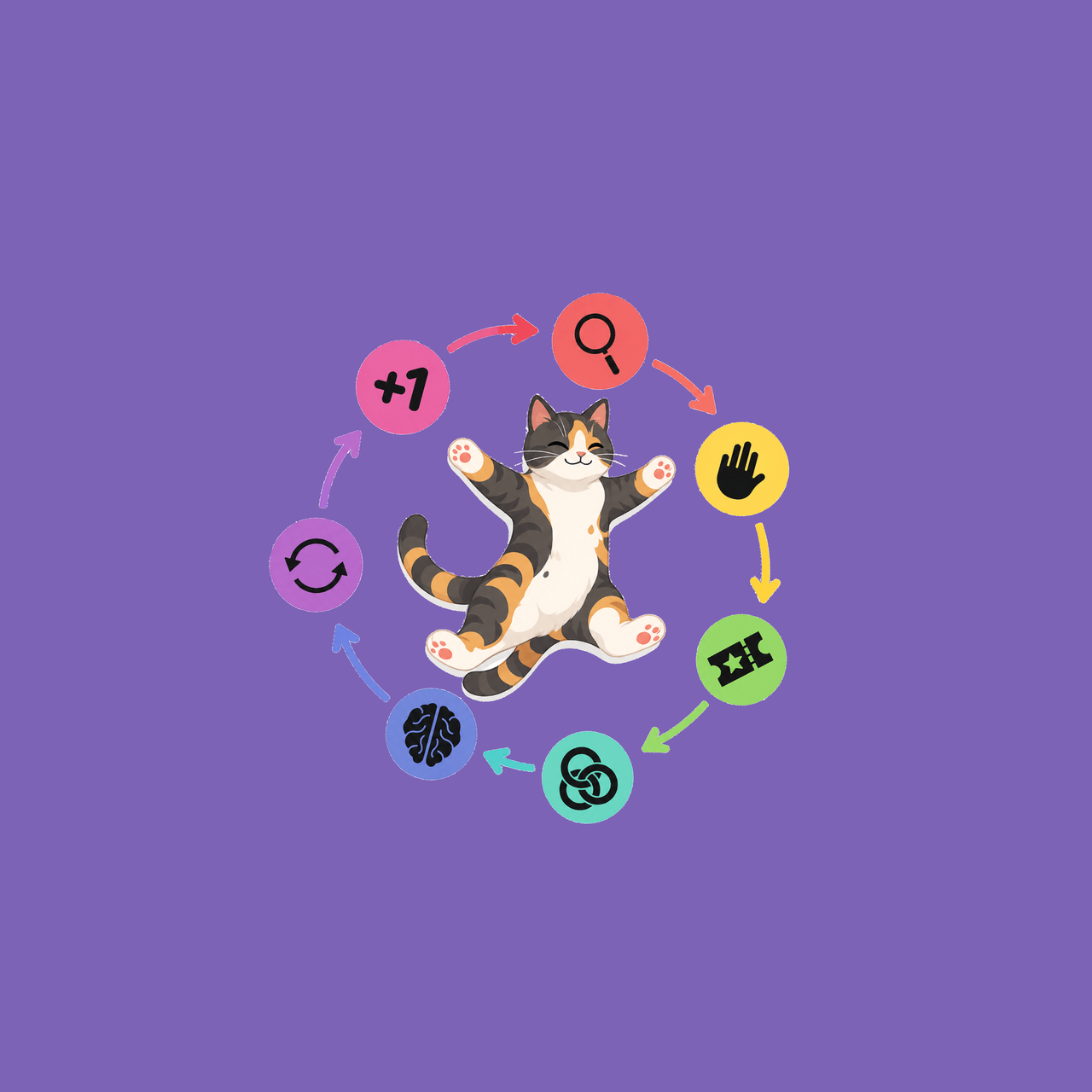
A deeper sprint for improving the journey from first discovery to repeat attendance.
This is for groups, events or places where the problem is't simply “we need more people”, but “we need more people to come back”.
A Return Loop sprint might look at
- how people first hear about you
- what they see before they decide
- what helps them feel safe or interested enough to come
- how the booking or signup process works
- what happens before they arrive
- how they’re welcomed
- what happens afterwards
- how they’re invited back
- how they might bring someone else
The output might include better pages, emails, forms, follow-up systems, FAQs, welcome information, audience journeys or practical experiments.
How it works
-
Tell me what’s stuck
You send over the problem, the tools you’re using, and what you’d like to be different.
You don’t need to diagnose it perfectly. “This bit is annoying and people keep getting confused” is a perfectly good starting point.
-
We shape the sprint
I’ll help work out whether it’s a Fix-it Day, a short Sprint, or something bigger.
If it looks like a bad fit, I’ll say so. Not every problem needs paid help, and not every digital problem needs a developer-shaped hammer.
-
I get stuck in
Depending on the Sprint, I might be writing, configuring, designing, building, testing, untangling, documenting or asking annoying-but-useful questions.
The aim is visible progress, not theatre.
-
You get something usable
At the end, you should have a clearer page, a better journey, a working connection, a simpler process, a more useful email, a fixed bit of infrastructure, or a practical next step.
If the work reveals a bigger underlying issue, I’ll explain it clearly rather than burying it in jargon.
Need help fixing something?
Tell me what you’re running, what feels stuck, and what you’d like to be easier. If it sounds like a sprint can help, I’ll suggest a practical next step.